In today's era where life sciences are constantly breaking boundaries, basic research is reshaping our understanding of health and imagination of the future with unprecedented power. From gene editing to cell therapy, and from cancer immunology to neurodegenerative diseases, every major advancement is underpinned by profound insights into the fundamental operating mechanisms of cells. This "Distinguished Scholars Lecture" is honored to inviteAcademician Randy Schekman, the winner of the 2013 Nobel Prize in Physiology or Medicine, to deliver a special report titledExtracellular Vesicles and Biomedical Applications. He will guide us to delve into the interior of cells, explore their sophisticated "logistics networks," and demonstrate how basic science drives profound transformations in the field of medicine.
October 21st (Tuesday), 9:30 - 11:30
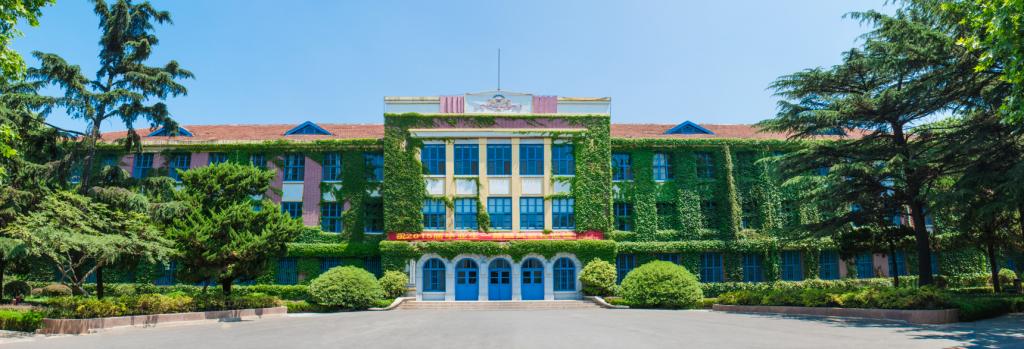
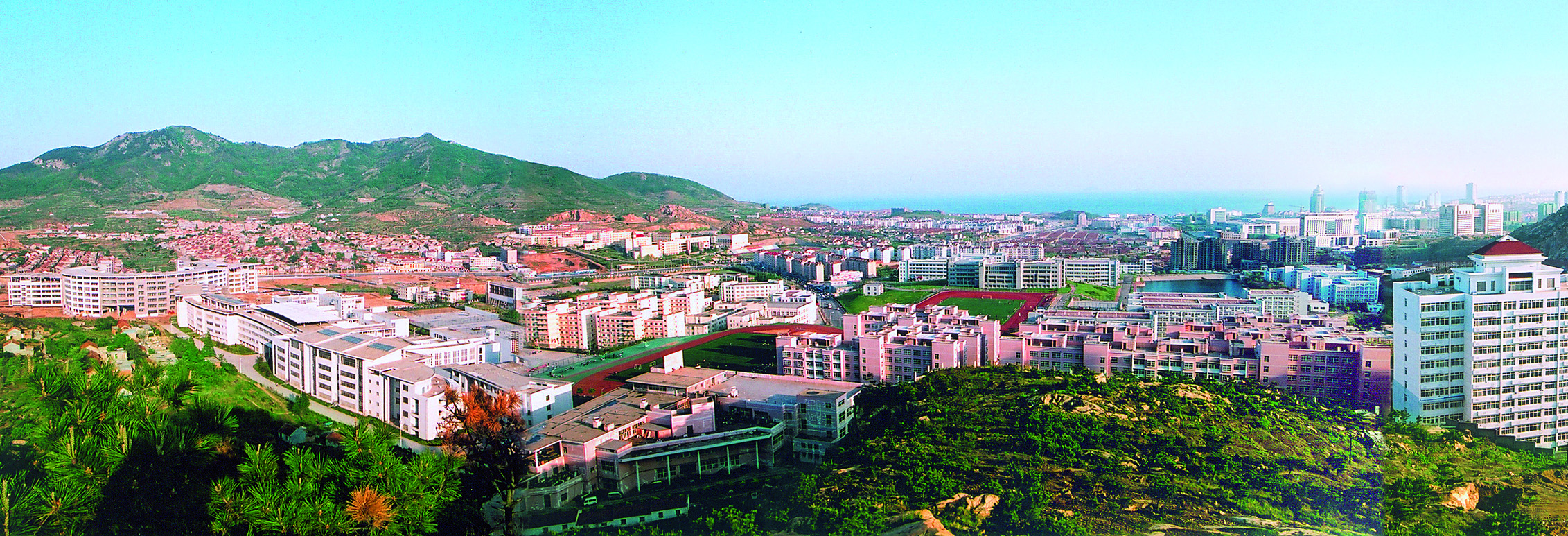
Soft Control Lecture Hall, Laoshan Campus, Qingdao University of Science and Technology
Extracellular Vesicles and Biomedical Applications
Randy Schekman was awarded the 2013 Nobel Prize in Physiology or Medicine. He is a Member of the United States National Academy of Sciences, Professor in the Department of Molecular and Cell Biology at the University of California, Berkeley, Investigator at the Howard Hughes Medical Institute, President of the American Society for Cell Biology, and Honorary Member of the Chinese Academy of Sciences.
The Schekman team uncovered the molecular mechanisms of vesicular transport and discovered the SEC gene family, driving the transformation of secretory pathway research from morphology to molecular mechanisms—achievements that led to the 2013 Nobel Prize in Physiology or Medicine. Over the past five years, Academician Schekman has maintained international influence through continuous innovations in the fields of cellular secretion, neurodegenerative diseases, and extracellular vesicles. His research focuses on the biogenesis mechanisms of exosomes and other extracellular vesicles, as well as the selective sorting and secretion of proteins and small RNAs (e.g., miRNAs) in exosomes.
Currently, Academician Schekman serves as the Scientific Director of "Aligning Science Across Parkinson’s Disease" (ASAP), where he promotes international cooperation in basic research on Parkinson’s disease, with a focus on the mechanisms of disease initiation and progression. His work explores the relationship between the abnormal secretion of α-synuclein and the pathogenesis of Parkinson’s disease, revealing its non-canonical secretory pathway and the role of related endosomal membrane proteins. He also investigates how proteins lacking signal peptides are secreted across membranes via non-canonical pathways, with particular attention to physiologically and pathologically relevant proteins such as IL-1β and α-synuclein.
Academician Schekman actively participates in the construction of global research networks for neurodegenerative diseases. In recent years, he has received numerous international honors, including Honorary Membership of the Academy of Sciences of Moldova and Honorary Doctorates from multiple medical universities.